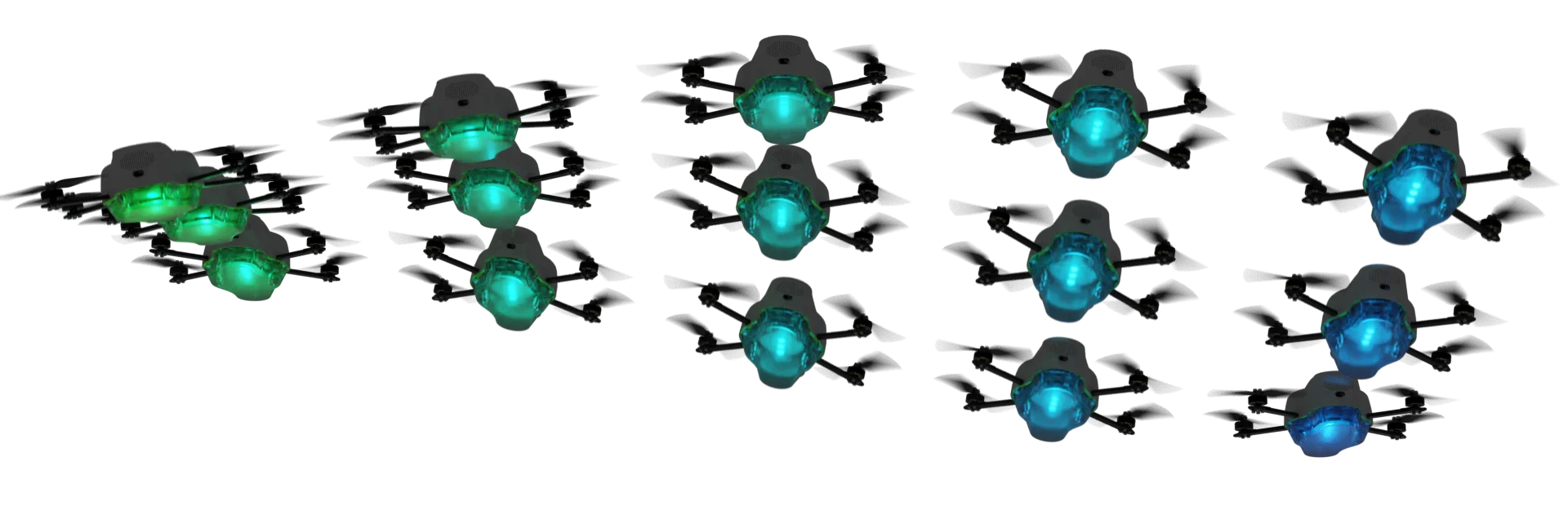
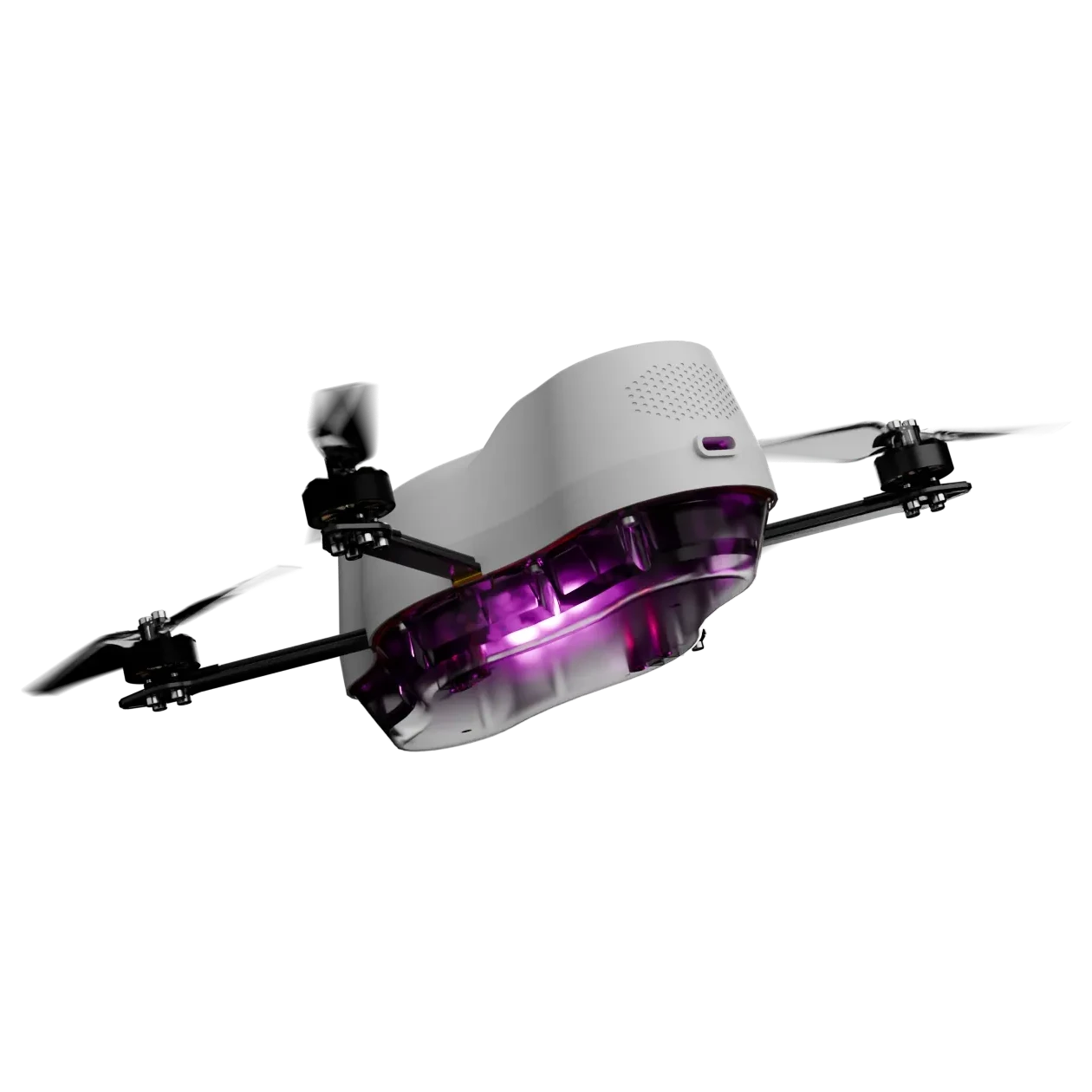
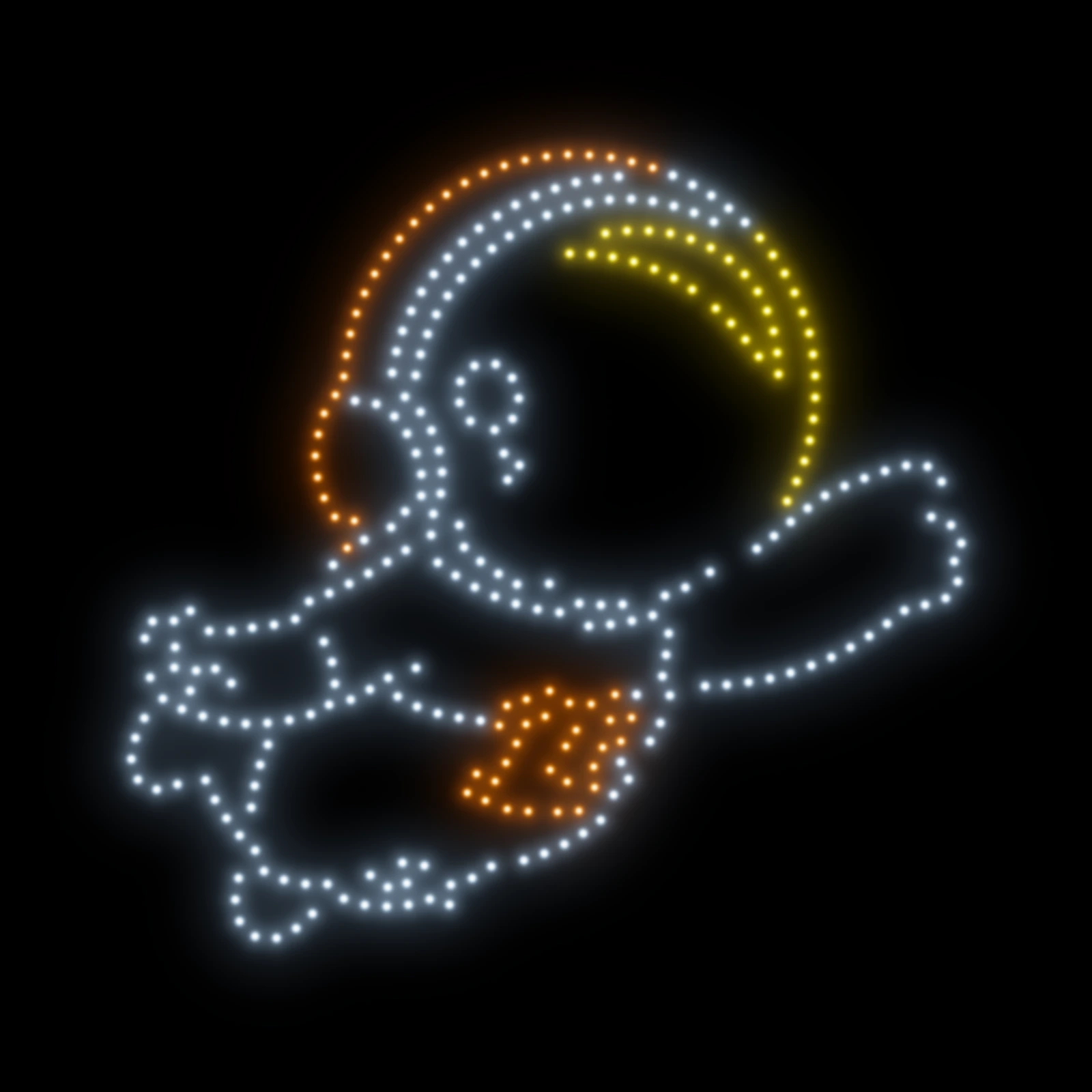
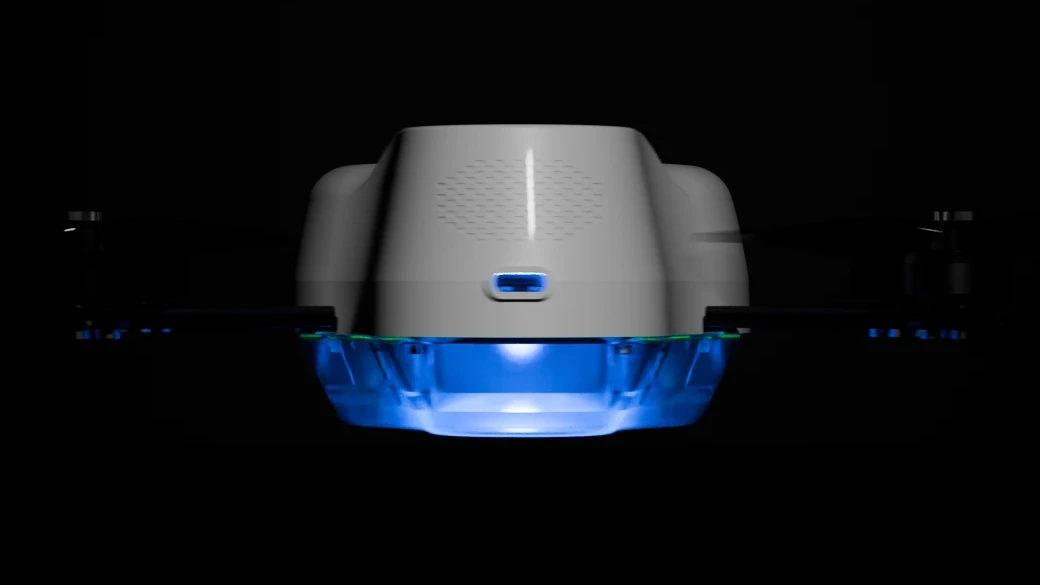
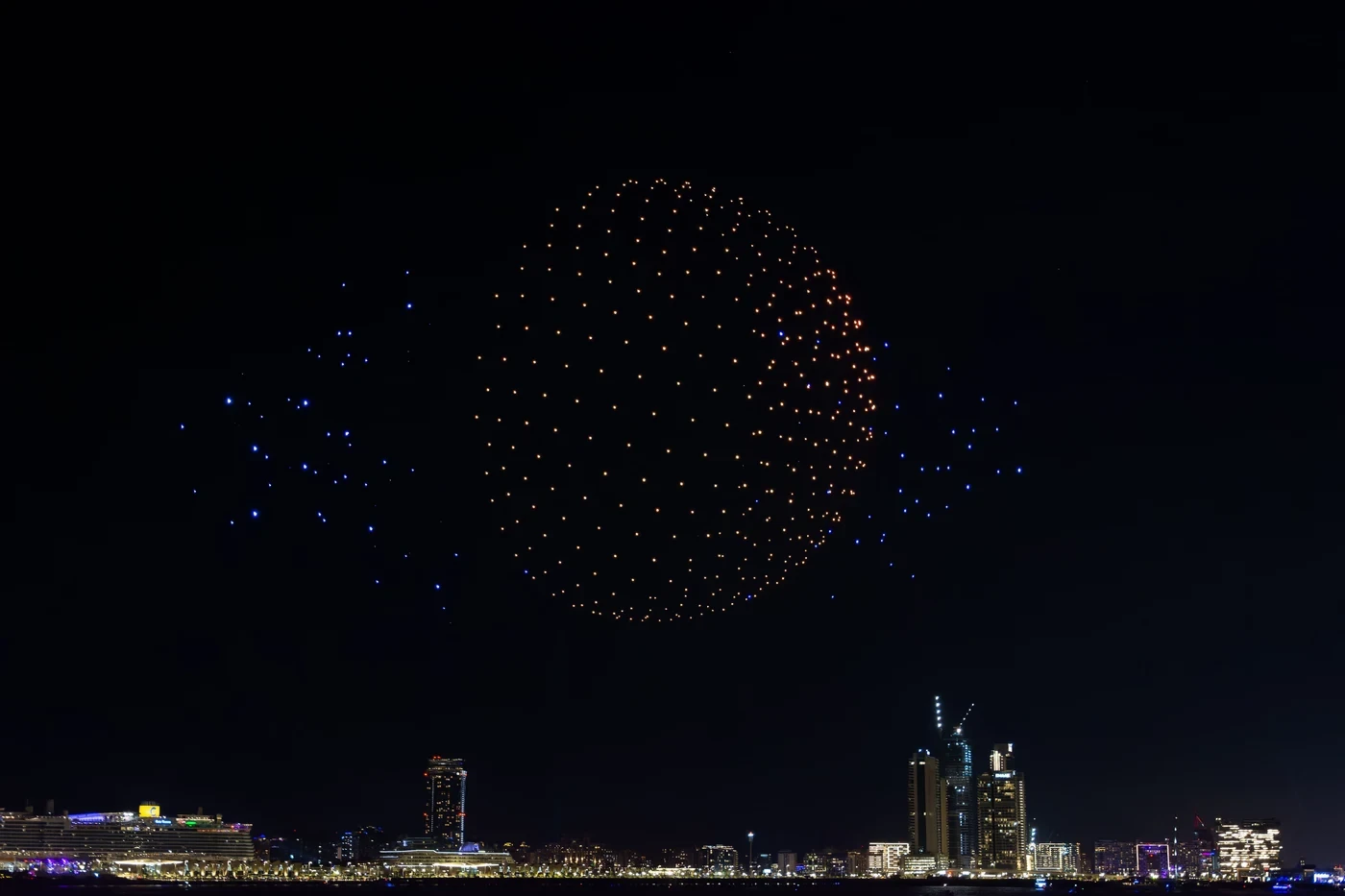
The moment the first formation appears, you want your guests looking up together. Reaching that moment takes a series of thoughtful decisions: what the show should communicate, where people will watch, how the creative will develop, and how the performance fits into the wider event.
If you’re planning a drone light show for the first time, start with your event’s purpose, date, and location. Those details give your show partner a useful foundation for exploring feasibility and shaping the experience.
Here’s how to move from an initial idea to a coordinated show night.
1. Start with the moment you want to create
Before choosing individual formations, decide what the performance should achieve.
Are you introducing a new brand, celebrating a community milestone, or bringing a festival to a close? Give the show one clear purpose, then identify the feeling or message you want guests to take away.
Build a short brief that includes:
- Your event type, proposed date, and location.
- Your intended audience and approximate attendance.
- The moment the show should support.
- Important themes, colors, symbols, or brand assets.
- Your working budget and any flexibility.
- The person responsible for creative approval.
Separate essential elements from ideas you’re open to exploring. A sponsor reveal might be essential; the exact opening image might still be undecided.
You don’t need a finished concept before starting a conversation. A clear objective gives the creative team something useful to develop.
2. Check venue feasibility early
Make venue assessment an early planning task, before you build the event around a particular show concept.
Starbound Labs assesses the flight area, audience viewing space, nearby obstacles, airspace requirements, and setup access when considering a venue. Share the proposed location early so the team can explore suitability. See Starbound’s venue guidance.
Prepare a site map showing the proposed viewing area, stages, buildings, trees, parking, access routes, and other event activity. Include photographs and flag any temporary structures planned for the day.
Ask your show partner to explain:
- Which areas would be needed for setup and operation.
- Where guests should watch.
- How access to operational areas would be managed.
- Whether other activities could affect the proposed layout.
- What further information or assessment is needed.
Treat early layout ideas as provisional until the relevant assessment is complete. That helps you avoid committing seating, staging, or guest routes to unsuitable positions.
3. Build a timeline around your location and event
Contact your show partner as soon as you have a plausible date and venue. Ask for a schedule that covers site review, any required approvals, creative development, feedback, and final production coordination.
Requirements depend on the location and proposed operation. For example, in the United States, the FAA identifies operating multiple small drones with one remote pilot as an activity requiring a Part 107 waiver. Your operator should establish which authorizations apply to your show. FAA guidance on Part 107 waivers.
For your planning schedule, request specific milestones:
- When must the venue and show scope be confirmed?
- When are logos, references, and other creative assets due?
- When will you review the storyboard and preview?
- What is the deadline for consolidated feedback?
- When will the event-day plan be agreed?
Assign one person to collect comments from stakeholders. A single, coordinated response helps the creative team understand what needs to change and who has approved it.
4. Shape a story with a clear beginning and ending
Think about how one image leads to the next. Give the opening a purpose, develop the central theme, and decide which image should stay with the audience after the performance.
For a hypothetical community anniversary, the creative brief might suggest an opening inspired by the local landscape, a sequence celebrating shared traditions, and a final anniversary symbol. Each scene supports the same story.
For your own event, choose a small set of meaningful ideas and discuss how they could connect through shape, color, and movement. Ask the design team how much detail is appropriate for the proposed show.
At Starbound Labs, clients develop the storyboard with the team and receive a rendered preview at the proposed location and show time, with an opportunity to provide feedback. Explore Starbound’s creative process.
Use that review to consider the full sequence: Is the message clear? Does the pace suit the occasion? Does the ending feel earned?
5. Review the quote against the complete experience
Starbound identifies fleet size, show duration, creative complexity, location, and operating requirements as factors that shape a quote. Read Starbound’s pricing overview.
Use the proposal to understand what is included and what your event team must arrange separately.
Ask about creative deliverables, feedback rounds, site coordination, travel, and any responsibilities assigned to the venue or organizer. If music is proposed, confirm arrangements for playback, coordination, and any necessary rights.
Also review change deadlines and the terms that apply to postponement or cancellation. Put important decisions in writing so the approved scope is easy for everyone to reference.
6. Plan weather decisions and audience communication
Discuss unsuitable weather before booking. Starbound Labs considers any applicable rescheduling or cancellation terms during planning. See Starbound’s weather guidance.
Agree on who communicates operational decisions, when updates are expected, and how those updates reach your event team.
Then prepare the audience-facing response. If the performance is delayed, who makes the announcement? Can the event schedule accommodate a change? What will guests be told if the show cannot proceed?
Write a short holding announcement and a cancellation announcement in advance. Clear wording makes it easier for your host and production team to communicate calmly if plans change.
7. Connect the show to the event-day schedule
Bring the venue, show partner, and event production team together around one shared run of show.
Confirm the practical handoffs: site access, guest movement, announcements, any agreed lighting or audio cues, and the person authorized to coordinate timing changes.
Walk through the audience experience too. How will guests know where to go? Can they reach the viewing area comfortably? Will the host give them enough time to settle before the planned start?
Keep one event contact available to the show team, with a named backup. After the performance, make sure guest movement and other activities follow the agreed site plan while operational areas remain controlled.
Turn your first idea into a clear next step
You can begin planning with three things: a proposed date, a location, and a sentence describing the moment you want to create.
Add your audience, working budget, and any essential creative elements. That brief gives your show partner a practical starting point for discussing the venue, scope, and next decisions.
Ready to explore your event? Share your date, venue, and ideas with Starbound Labs to start planning a custom drone light show.